“Hydration is not just about how much water you drink. It’s about how well your body can use it.”
Most people believe they are doing the right thing by drinking more water. They carry water bottles, track their intake, and make a conscious effort to stay hydrated throughout the day. Yet despite these efforts, many still experience fatigue, brain fog, headaches, muscle cramps, dry skin, and poor recovery. This disconnect reveals an important truth: the issue is not always how much water you are drinking, but whether your body can actually use it.
True hydration does not happen in the bloodstream alone. It happens inside the cell. Every essential function in the body, from energy production and nutrient transport to waste removal, hormonal signaling, and nervous system communication, depends on proper intracellular hydration. If water cannot efficiently enter and move within the cell, the body cannot perform at its highest level. This is where the common understanding of hydration falls short. Water alone is not enough.
The missing piece in this equation is salt. For decades, salt has been misunderstood and often avoided, yet sodium and other electrolytes are essential for life. They regulate fluid balance, support nerve transmission, enable muscle contraction, and play a critical role in cellular communication. Most importantly, salt helps water move. Without adequate sodium, water does not effectively enter the cell. Instead, it can remain outside the cell, creating a paradox where a person may feel dehydrated despite drinking large amounts of water. Hydration is not simply about fluid intake. It is about fluid movement.
To understand this more deeply, it is important to recognize that the human body is not only chemical but also electrical. Every cell maintains a voltage gradient across its membrane, and this electrical charge is what allows cells to communicate, exchange nutrients, and maintain stability. Electrolytes such as sodium and potassium are essential for maintaining this charge. They create the conditions necessary for cellular voltage, signal transmission, and coherent communication between systems. When electrolyte balance is disrupted, communication within the body becomes less efficient, and symptoms begin to appear.
Water itself plays an even more profound role than most people realize. It is not passive. It is the medium through which cellular communication occurs. Every signal in the body travels through a water-based environment. When that environment is structured and supported by proper mineral balance, communication improves. When it is disorganized or depleted, signals become distorted. This is why hydration is not just about drinking more water. It is about creating a coherent internal environment where communication can occur clearly.
This is where saline becomes so important. Saline, a simple combination of water and salt, closely mirrors the body’s natural fluid composition. It supports efficient cellular absorption, enhances electrical conductivity, and allows for more effective signal transmission. There is a reason saline has been used in medical settings for decades. It is recognized by the body, trusted by the body, and works in harmony with its natural design.
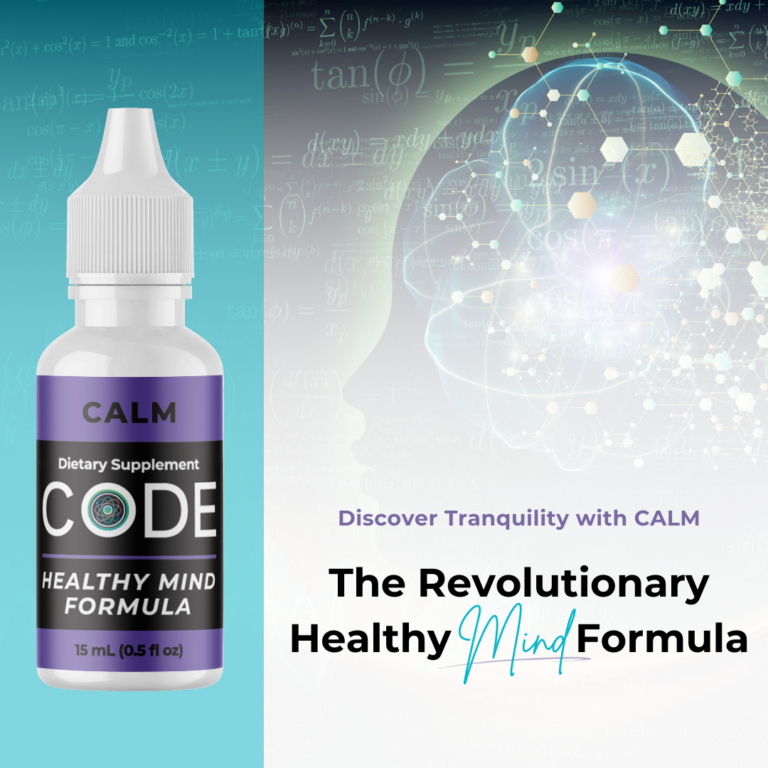
At CODE Health, this principle is foundational. CODE formulas are created using medical-grade saline as the delivery system for information-based medicine. This allows the body to receive subtle informational signals through a medium it already understands. Rather than introducing chemicals or forcing reactions, these formulas support communication. Because they are not dose-driven, they do not accumulate. Because they are not suppressive, they do not override the body’s natural intelligence. Whether supporting stress, sleep, immunity, recovery, or metabolic balance, the goal remains the same: to enhance the body’s ability to interpret and respond.
This approach is especially relevant in today’s world, where modern lifestyles often deplete both hydration and mineral balance. Processed foods, chronic stress, excess caffeine, environmental toxins, poor sleep, and increased physical demands all impact the body’s ability to maintain proper hydration and communication. Simply drinking more water without addressing mineral balance can dilute electrolytes and potentially worsen symptoms. This is why a more intelligent approach is necessary.
Supporting true hydration means looking at the system as a whole. It involves consistent water intake, natural mineral support through whole foods, reducing excessive stimulants, prioritizing sleep and recovery, and supporting cellular communication through tools like BALANCE, PROTECT, and CALM. Hydration is not one-dimensional. It is a dynamic system that requires both structure and communication.
For years, the message has been simple: drink more water. But the next level of understanding is more nuanced. Water must be supported. It must be structured. It must be able to carry and deliver information effectively. Salt is not the enemy. It is part of the system.
As you reflect on your own health, consider a deeper question. Are you truly hydrated, or simply consuming water? Is your body able to use what you are giving it? Are you supporting communication at the cellular level? Hydration is not just about intake. It is about intelligence. When communication improves, everything improves.